• Skip to primary navigation
  • Skip to main content
Teledermatology
Patient Portal
| My Account

Epiphany Dermatology

Locations Book Appt
  • Store
  • About Us
    • Mission
    • Physicians
    • Nurse Practitioners & Physician Assistants
    • Aestheticians
    • Leadership
  • Services
    • General Dermatology
    • Cancer Care
    • Cosmetic Dermatology
  • Join
    • Overview
    • Partnering
    • Physician Jobs
    • NP & PA Jobs
    • Learn Derm Program
    • Support Jobs
    • MA Gap Year Program
  • Resources
    • Pay My Bill
    • Patient Forms
    • Patient Portal
    • FAQs
    • Blog
  • Patient Portal
  • My Account
Locations Book Appt
  • All Categories
  • Acne
  • Anti-Aging
  • Cosmetic Dermatology
  • Medical Dermatology
  • Men's Health
  • Questions & Answers
  • Services
  • Skin Cancer
  • Skin Care
  • Skin Problems

Excisions

excisions A skin excision is a surgery where we cut out damaged skin tissue. It is a full thickness removal — meaning we remove all layers of the tissue (epidermis, dermis, and into the subcutaneous fat layer). We then suture it back together with stitches for optimal healing. What Types of Skin Problems Require an Excision? Excisions can be done on malignant tumors or benign lesions. For example, we can excise a benign sebaceous cyst that may be painful, enl...

Read moreabout Excisions
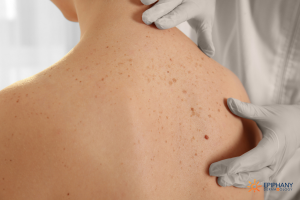
Precancerous Lesions

precancerous lesions A skin spot referred to as a “precancerous lesion” is usually a specific sun-induced growth called actinic keratosis. It’s one of the most common issues we see in dermatology, and it’s what prompts most patients to schedule their dermatologist visits to start with. After years of exposure to UV rays, either from the sun or tanning beds, areas with the most damage start to turn into rough, dry, scaly patches. The patches then develop into thick ...

Read moreabout Precancerous Lesions

ED&C

ED & C electrodesiccation and curettage ED & C stands for electrodesiccation and curettage. This procedure is also known as curettage and electrodesiccation (C & E). ED & C is a method for treating certain types of skin cancer (including basal cell carcinoma and superficial squamous cell carcinoma) through a series of scraping and cauterizing techniques. When used on the right types of skin cancer, it is highly effective in completely removing cancerous skin cells and preventing ...

Read moreabout ED&C

Dermatopathology

Dermatopathology Dermatopathology is the study of skin diseases seen with a biopsy. It requires a dual knowledge of skin diseases and pathology to interpret skin biopsies. What is dermatopathology compared to dermatology? Dermatopathology is a specialization of dermatology and pathology that focuses on skin diseases. It requires extra training and additional board certification specific to skin diseases. A dermatopathologist is trained both in a dermatology clinic as w...

Read moreabout Dermatopathology

Biopsies

biopsies male A biopsy is the removal of a piece of skin to help render a diagnosis of skin cancers or inflammatory conditions. Dermatologists biopsy an area to confirm a diagnosis that cannot be rendered with the eyes alone. We need a microscope to be certain.  If a patient comes in with a mole, the dermatologist can closely examine the mole and suspect it may be skin cancer or a spot that could later become a cancer – but without a biopsy, we can’t know for s...

Read moreabout Biopsies

Fungal Infections

dermatologist fungal infections What is a Fungal Infection? There are two broad categories of fungal infections: Relatively innocuous fungal infections that live on the skin, hair, and nails (like athlete’s foot or jock itch) Potentially more dangerous fungal infections that invade deeper structures of the skin or organs in the body called “deep fungal infections”. Dermatologists treat fungal infections of the skin, as well as fungal infections in hair and nails. Often, t...

Read moreabout Fungal Infections

Cryosurgery

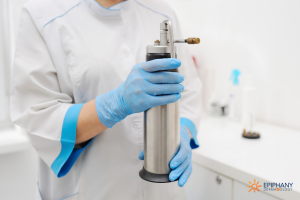
what is cryosurgery Cryosurgery, also known as cryosurgical destruction, uses liquid nitrogen to treat various skin lesions. This intense cold liquid (liquid nitrogen), with a temperature of -196 °C (-320 °F), is applied to target areas to destroy unwanted cell structures. Cryosurgery vs. Cryotherapy What’s the difference? Cryotherapy is a light application of liquid nitrogen used for cosmetic purposes while cryosurgery is reserved for destruction of various skin lesi...

Read moreabout Cryosurgery

Mohs Surgery

mohs surgery Mohs surgery is considered the gold standard for removal of many types of skin cancer. What is Mohs Surgery? This method spares the most amount of normal tissue and has the highest cure rates for many non-melanoma and melanoma skin cancers. It’s the standard of care in non-melanoma skin cancers and is commonly used in the treatment of some melanomas. It is minimally invasive and leaves patients highly satisfied with their cosmetic outcome. The proced...

Read moreabout Mohs Surgery

SculpSure™ Non-Invasive Body Contouring

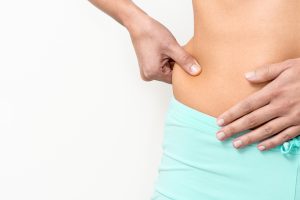
SculpSure™ is a breakthrough device for the reduction of stubborn fat in problem areas like the abdomen or love handles. SculpSure™ helps patients achieve a slimmer appearance without surgery or downtime. Even with diet and exercise, most people have areas of stubborn fat that seem impossible to get rid of. SculpSure™ can help patients of all skin types achieve the results they are looking for with a non-invasive treatment that fits into their ...

Read moreabout SculpSure™ Non-Invasive Body Contouring

Fractional Laser

How Does the Icon Fractional Laser Treatment Work? The Icon Laser Scar Treatment uses a fractional erbium laser. It’s non-ablative, meaning it doesn’t cut the skin. This laser generates columns of heat that go under the deep dermis to cause inflammation. As a result of the inflammation, the remaining tissue produces collagen and elastin which work to heal the skin. These fibers also tighten the area. For acne scar tissue, healthier and tighter skin...

Read moreabout Fractional Laser
  • « Go to Previous Page
  • Page 1
  • Interim pages omitted …
  • Page 6
  • Page 7
  • Page 8
  • Page 9
  • Page 10
  • Page 11
  • Go to Next Page »
Quick Links
  • Locations
  • Book Appointment
  • Patient Portal
  • Shop
  • Services
  • Patient Forms
  • Epiphany Glow Cosmetic Points
About
  • Mission
  • Physicians
  • Nurse Practitioners & Physician Assistants
  • Aestheticians
  • Leadership
Join
  • Overview
  • Partnering
  • Physician Jobs
  • NP & PA Jobs
  • Support Jobs
Resources
  • Bill Pay Options
  • Patient Portal
  • Patient Forms
  • FAQ
  • Blog
contact
  • (855) 300-8510
  • Locations
  • Email Us
Follow Us
  • Facebook
  • Instagram
  • LinkedIn
Visit the Patient Portal or download the APPatient App for 24/7 Self-Service
google play app store

©2016-2026 Epiphany Dermatology™. All Rights Reserved.
Website by Widely Interactive.
Language Availability
  • Arizona
  • Colorado
  • Georgia
  • Hawaii
  • Iowa
  • Kansas
  • Maryland
  • Minnesota
  • Missouri
  • Montana
  • Nevada
  • New Jersey
  • New Mexico
  • Oklahoma
  • Oregon
  • South Carolina
  • Texas
  • Utah
  • Virginia
  • Washington
  • Wyoming
Notice of Privacy Practices Notice of Nondiscrimination Compliance Hotline Privacy Policy